What to look for when choosing a moss wall display
Why a moss wall display needs careful thought
A moss wall can change the feel of a room. It adds texture, color, and a natural element that plants alone sometimes cannot deliver. But not every moss wall product is the same, and a piece that looks good in a showroom may disappoint after a few months. Before you commit to a display, it pays to ask a few practical questions. The answers will help you pick something that stays fresh looking and fits your space for years.
What type of moss is used?
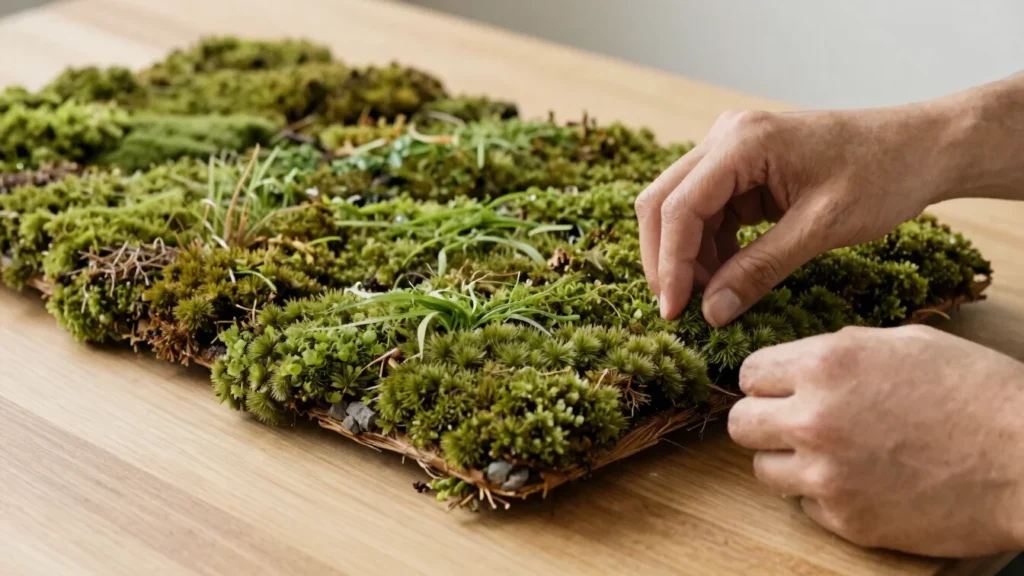
The three most common preserved mosses are sheet moss, cushion moss, and reindeer moss. Each has a different look and feel. Sheet moss lies flat and creates a smooth, carpet-like surface. Cushion moss forms small, rounded clumps that give more dimension. Reindeer moss, which is actually a lichen, has a soft, branching structure and tends to hold dye well, so it appears in many brighter colors. A display that mixes all three can look rich and varied, but the proportion matters. Too much of one type may make the wall feel flat or too busy. Ask what the blend is, and picture how it will work with your decor.
Is the moss preserved or artificial?
Preserved moss is real moss that has been treated with a glycerin-based solution to keep it soft and green without water or sunlight. Artificial moss is usually plastic or polyester. Both have their place, but the difference matters for look and maintenance. Preserved moss has a natural texture and subtle variation in color that artificial materials struggle to copy. It feels like the real thing because it is. Artificial moss can be a good option for areas with high humidity or direct sunlight, where preserved moss might fade or grow mold. But if you want the authentic look of a living wall without the watering, preserved moss is the better choice. The term preserved moss art usually refers to pieces that use real preserved moss, so it is worth checking the product details before you buy.

How is the moss attached to the backing?
The way moss is fixed to the board affects how long the display lasts and how easy it is to maintain. Some manufacturers glue each piece by hand, which gives good control over the design but can leave gaps if the work is rushed. Others use a heat-bonded method that presses the moss into a substrate. Hand-glued displays tend to have more natural variation, while machine-made ones can look uniform. Neither is automatically better, but you should ask about the process. If the moss is only lightly tacked on, pieces may fall off over time. A strong bond means the display will hold up better if you need to move it or clean it.
What is the backing made of?
The backing board holds everything together. Common materials include wood, MDF, acrylic, and aluminum composite. Wood frames give a warm, natural look and are easy to hang, but they can warp if the room is damp. MDF is cheaper but heavier and prone to swelling if moisture gets in. Acrylic is lightweight and moisture resistant, but it can scratch. Aluminum composite is rigid, light, and resists humidity well. For a bathroom or kitchen, a moisture-proof backing is essential. For a living room or office, a wood frame may be fine as long as the room does not get too humid. Ask what the backing is made of and whether it has a protective coating.
Does the display come with a hanging system?
A moss wall can be heavy once the moss and backing are combined. A simple nail may not be enough. Some displays come with a French cleat or a Z-bar system that distributes weight evenly and makes it easy to level the piece. Others use keyhole hangers or D-rings. Ask what hardware is included and whether the wall needs special anchors. If the display is large, you may need two people to hang it safely. Also check whether the frame has a dust seal on the back. A foam or felt backing strip keeps dust and insects from getting inside the frame, which is a small detail that saves cleaning headaches later.
How do you clean and maintain the moss?
Preserved moss does not need water or fertilizer, but it does collect dust. Over time, dust can dull the color and make the moss look tired. The best way to clean it is with a soft brush or a hairdryer on a cool, low setting. Some displays come with a care card that explains the process. Avoid using water or cleaning sprays, because moisture can damage the preservation treatment. If the moss is in a sunny spot, it may fade over a year or two. Ask whether the moss has UV protection, and if so, how much. Even with protection, it is best to keep the display out of direct sunlight.
Is the color guaranteed to stay the same?
Reindeer moss is often dyed to achieve bright greens, blues, or even pink. The dye quality varies between manufacturers. Lower-quality dyes can bleed or fade quickly, especially in humid conditions. Good preserved moss uses colorfast dyes that hold up for years. Ask whether the manufacturer offers a color guarantee. Some will replace the display if the color changes noticeably within a certain period. This is a sign that they stand behind their product. If no guarantee is offered, it may be wise to ask for a small sample first and leave it in the intended room for a few weeks.
What size and shape work for your wall?
Moss wall displays come in standard sizes like 60x40 cm or 100x50 cm, but many sellers offer custom dimensions. Measure your wall space carefully, including any furniture or fixtures below. A display that is too small will look lost on a large wall. One that is too large may overwhelm a narrow hallway. Also think about shape. Rectangular panels are the most common, but round or hexagonal pieces can add interest. If you plan to group several panels, check whether the edges are finished cleanly so they line up well. Ask about the minimum order for custom sizes and whether there is an extra charge.
Does the moss have a scent?
Fresh preserved moss has a mild, earthy smell. Some people find it pleasant, others do not notice it. But if the moss was treated with strong chemicals or cheap dyes, it may have a sharp, solvent-like odor. This usually fades after a few days, but it is worth asking about. Reputable sellers air out their displays before shipping. If you are sensitive to smells, look for a product that is labeled as low-VOC or unscented. A quick sniff test when the package arrives will tell you if the display needs to air out before you hang it.
What is the return policy?
Even with all the right questions, a moss wall may not match your expectations once you see it in person. The color may be different from the photo, or the texture may not suit your room. A straightforward return policy gives you peace of mind. Ask how many days you have to return the display, who pays for return shipping, and whether the item must be in its original packaging. Some sellers charge a restocking fee. Others offer free returns within a certain period. Knowing this before you buy saves frustration later.
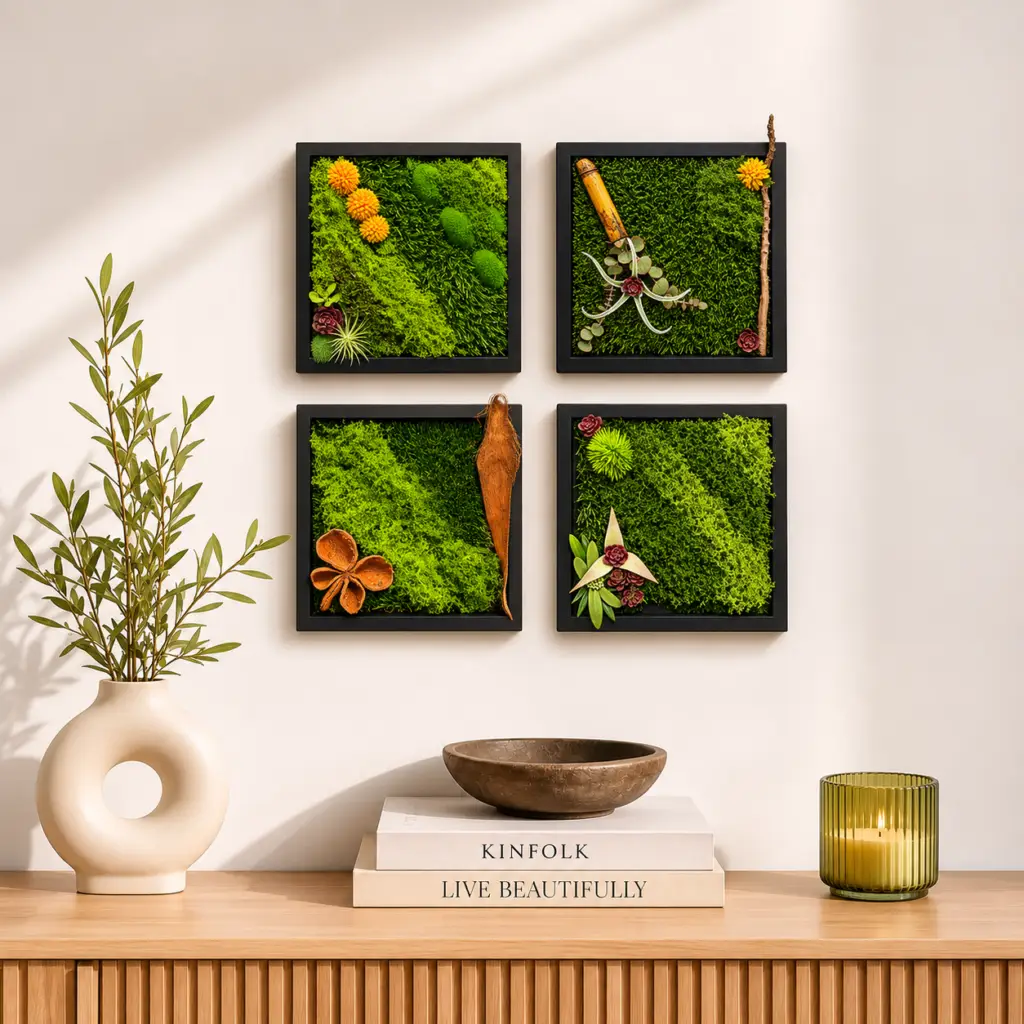
Taking the time to ask these questions helps you choose a display that fits your space, your style, and your budget. A well-made piece of preserved moss art can bring a calm, natural feel to any room without the upkeep of live plants. The key is to match the product to your conditions and your taste. With a little homework, you can find a moss wall that looks good from day one and stays that way for years.